
 Open Account
There will come a time when you are looking to apply for a credit card or larger loan. When that time comes, the most important thing that will determine your approval is your credit score!
Building a good credit score can take time. Even if you don’t plan on applying for a credit card or making a large purchase now, working on it can help ensure you have a good score when you do need it.
WHAT IS CREDIT & HOW DOES IT WORK?
Credit is the ability to borrow money and pay it back later. It allows you to get the things you need now, with good faith promise you will pay it back according to the agreed upon terms. There are three major types of credit: Revolving Credit, Installment Credit, and Service Credit. Revolving Credit comes with a line of credit you can draw on, pay back, and draw on again. The most common forms of Revolving Credit are credit cards and lines of credit. Installment Credit provides you with a lumpsum of money that is paid back in fixed monthly installments. Personal and student loans, auto loans, and mortgages are the most common. Service Credit comes from anyone who provides you with a service and bills you monthly. This type of credit is normally your utility and cellphone bills.
Credit is important because it is a powerful tool in achieving your financial goals. It signifies your trustworthiness when it comes to paying back your debts. Your credit history tells the story of how you manage your financial obligations and gives creditors an idea of whether you are someone who will pay them back if they lend you money.
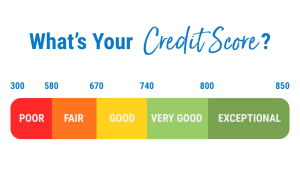
WAYS TO BUILD A CREDIT SCORE
Building credit can seem hard, especially if you have little to no credit history. Here are a few ways to help you build credit and improve your credit score:
- Get a Secured Credit Card. This type of credit card requires a cash deposit when you open it. The money is used as collateral every time you make a purchase.
- Get a Store Credit Card. Although these types of credit cards tend to have high interest rates, they give approval on the spot and limit you to spending only at that business.
- Identify a Co-Signer or Co-Applicant. This is a person who signs the note of another person as support for the credit of the primary signer. A Co-Signer or Co-Applicant becomes responsible to repay the debt if the primary signer fails to make the payments.
- Get a Student Credit Card or a Credit Card for No Credit. Many credit card companies offer student credit cards or cards for those who are just starting out. While the credit limit is low, it allows for you to start creating healthy credit habits.
NOW THAT YOU’VE BEGUN TO BUILD CREDIT, HOW DO YOU MAINTAIN IT?
- Pay Your Credit Card on Time. No matter if you can pay off the balance in full, paying your credit card payment on time each month is critical. Missing payments will impact your credit score in a negative way.
- Keep a Low Balance and Avoid Maxing Out Your Credit Limit. The more money you owe, the harder it is to pay off and the more interest you pay.
- Make Biweekly Payments. Consider making payments towards your debt every pay period, not just when it is due.
- Check Your Credit Score and Credit Reports Yearly. There are several websites that allow you to access your credit report for free, including Experian or Credit Karma.
- Develop Good Savings Habits and Establish an Emergency Fund. You never know when life is going to throw you a curve ball. Make sure to have enough money to cover three months of payments placed in a savings account. You can do this by having a certain dollar amount automatically deposited into your savings account with each paycheck.
Looking to apply for a credit card? NexTier Bank offers Personal Credit Cards to help you turn your purchases into money-saving perks, rewards, and conveniences. Our team is here to guide you through the application process, help you determine which credit card will fit your financial goals, and provide the tools necessary for a successful financial future.
To learn more or apply, click here.